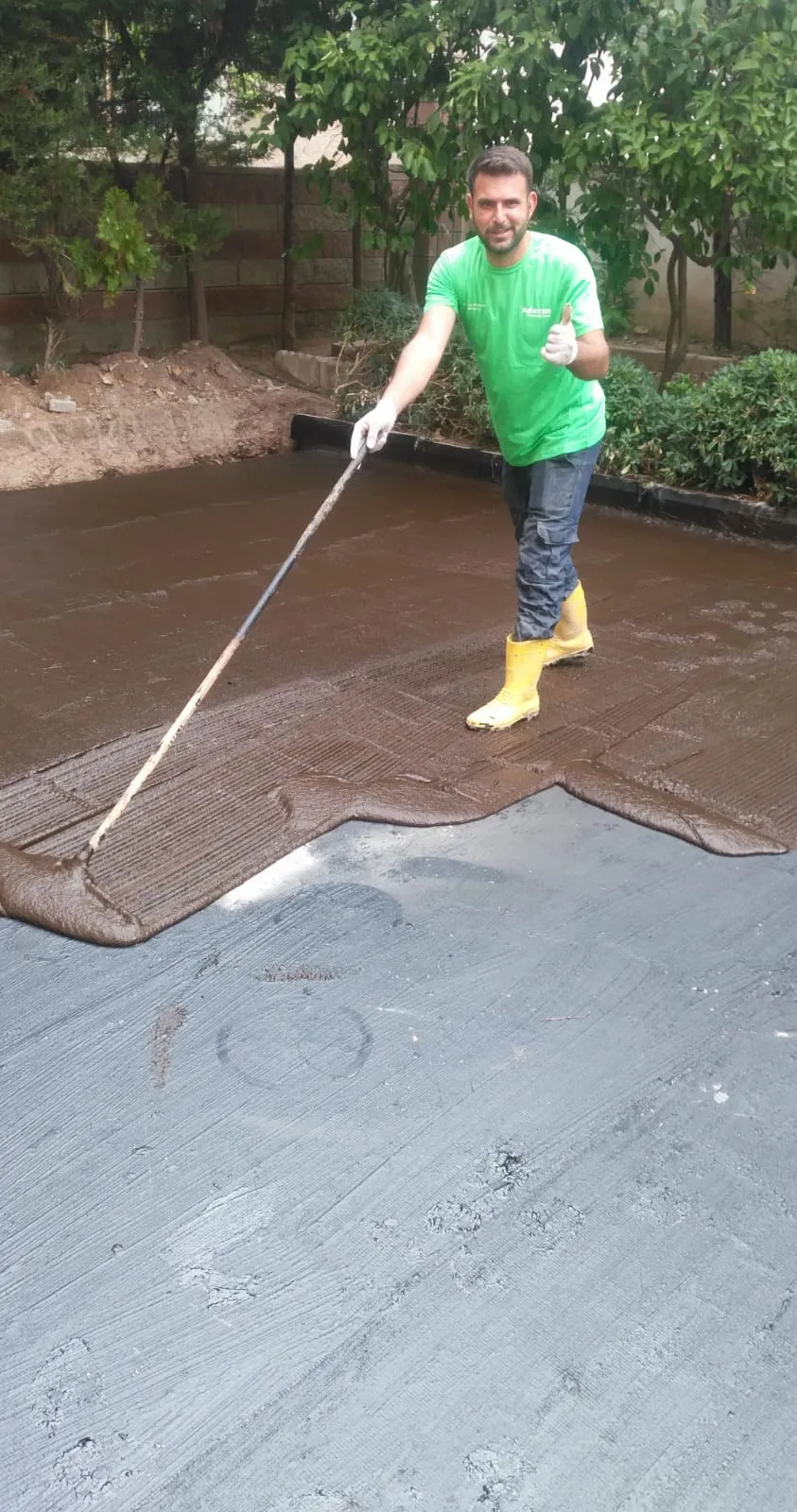
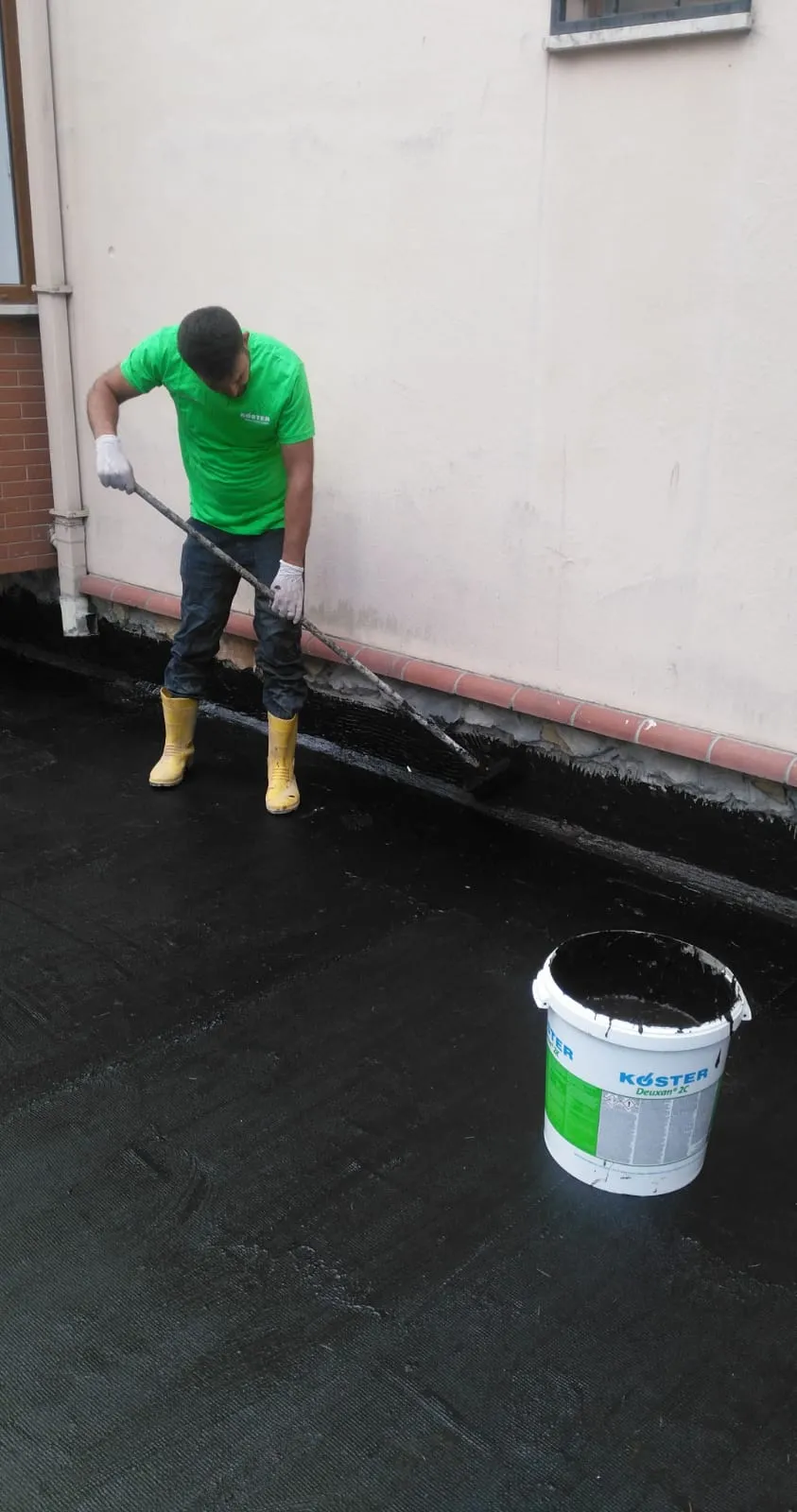
A permanent, 5-year-warranted solution to water leaks on your flat roof or terrace, using liquid-applied and torch-on bituminous membranes. A specialist team with 15+ years of experience in Istanbul and Izmir.
Flat roof & terrace waterproofing is the external coating application that protects roof and terrace surfaces against rainwater, snowmelt and standing water. After the surface is cleaned, the falls and outlet points are checked; then, depending on the situation, a liquid-applied membrane or a torch-on bituminous membrane is installed fully bonded. Junctions and detail points are reinforced and a flood test is carried out. On a standard residential terrace, the application is completed in 3-5 days and comes with a 5-year written warranty.
Flat roof and terrace waterproofing is the technical sealing process applied to protect flat roof and terrace surfaces against the damaging effects of rain, snow, wind and UV radiation. Using liquid-applied membranes, torch-on bituminous membranes or hybrid systems, a watertight barrier is formed over the flat roof surface. With correct application, the roof — the most vulnerable point of any building — remains reliably protected for many years.
With more than 15 years of site experience and its own Dryvatec materials, İMG Yapı Yalıtım Mühendislik A.Ş. is one of Türkiye's leading applicators of flat roof and terrace waterproofing. Thousands of square metres of terrace waterproofing have been successfully completed on residential, commercial, industrial and public buildings.
Flat roofs are the largest surfaces of a building directly exposed to the weather. Rain, snow, hail, wind and intense UV radiation continually wear down the waterproofing material on the roof surface. Over time, membrane ageing, thermal expansion and contraction, mechanical impact and poorly executed details cause the waterproofing to break down, and water begins to seep into the building.
In Türkiye's climate in particular, the temperature difference between summer and winter can exceed 50°C. Such a large differential in thermal movement creates stress between the membrane and the concrete, leading to cracks. In winter, water that ponds on the surface freezes, and the resulting expansion widens existing cracks further — so the leakage worsens with every passing season.
A lack of falls, or inadequate falls, is one of the most common problems on flat roofs. According to TSE standards, flat roof terraces must have a minimum fall of 1-2%. Where the falls are inadequate, rainwater collects on the terrace surface and ponding forms. A membrane under a constant head of water ages rapidly, its laps open up and leakage begins. Blocked outlets make the situation even worse.
According to the statistics, more than 30% of building damage originates from roof-related water leaks. The cost of repairing roof water damage can reach 5-8 times the cost of timely waterproofing. Early intervention and a correctly executed waterproofing application protect the structure and keep costs to a minimum.
Pools of water on the terrace surface caused by inadequate falls or blocked outlets, a constant head of water and membrane wear
Loss of elasticity, cracking and embrittlement of the membrane under constant exposure to sunlight
Concrete and membrane expanding and contracting at different rates with summer-winter temperature swings, opening up the laps
Penetrating water causing rebar corrosion, concrete deterioration, ceiling leaks and internal damage
If you have noticed one or more of the following signs, your flat roof has a waterproofing problem. Early intervention minimises structural damage and repair costs.
Water stains, damp patches or active dripping points on the top-floor ceiling. Stains that darken in wet weather and partly dry out in dry spells indicate a terrace-related leak.
Blistering, ballooning or edge debonding of the membrane on the terrace surface. Water and air trapped underneath lift the membrane off the concrete and leakage begins.
Blistered paint, fallen plaster and limescale stains on the top-floor ceiling. A clear sign that the leak has reached the interior and is growing.
Mould patches forming in ceiling corners, at wall-ceiling junctions or in the rooms beneath the terrace. A herald of chronic damp and leakage.
Pools of water remaining on the terrace surface long after rainfall, failing to reach the outlets. An indicator of a falls problem or blocked drainage.
Roof leakage reaching electrical cables and light fittings. Requires urgent attention due to the risk of short circuits and fire.
There are two main methods for terrace waterproofing. The most suitable one for your building is determined through an on-site survey.
At İMG Yapı Yalıtım Mühendislik A.Ş.we carry out both methods. During the on-site survey we determine the most suitable method for your flat roof's condition, its falls, its intended use and your budget, and deliver a solution backed by a 5-year warranty.
A systematic terrace waterproofing process developed over more than 15 years of site experience, compliant with TSE standards.
Our specialist team inspects the flat roof thoroughly to establish the condition of the existing waterproofing, the integrity of the membrane, ponding areas, the falls, blocked outlets and a crack map. Sub-surface moisture distribution is checked with thermal imaging and moisture meters. The origin and extent of the leak are identified so the most suitable method and cost plan can be drawn up. An accurate survey is the foundation of a successful application.
Damaged, blistered or life-expired coverings such as old membrane, screed, ceramic tiles or mosaic are removed mechanically. The reinforced concrete roof slab is exposed. Old adhesive residues and loose particles are cleaned off. At this stage, structural cracks, segregation zones and damaged areas in the concrete surface are identified in detail. Waterproofing applied without stripping is short-lived and cannot be considered for a warranty.
The concrete surface is mechanically cleaned; dust, dirt and loose particles are removed. Structural cracks and broken areas are repaired with a purpose-made repair mortar. The areas around the outlets and pipe penetrations are prepared. The falls are checked; if found inadequate, they are corrected with a screed to falls. Purpose-made detail profiles are installed at corner junctions and edge returns. A primer is applied to improve the adhesion of the membrane.
Depending on the building’s condition and the survey report, either a liquid membrane or a torch-on bituminous membrane is installed. The liquid membrane is applied by brush, roller or airless spray in at least two coats. The bituminous membrane is melted with a torch and laid with overlapping laps. In both methods, the critical points — around outlets, pipe penetrations, wall-floor junctions and expansion joints — are reinforced with polyester fleece. Dryvatec membrane materials are manufactured in compliance with TSE EN standards.
A protective layer suited to the intended use is applied over the membrane. On terraces open to foot traffic, a protective screed and ceramic tiling are installed; on non-trafficked roofs, a UV-resistant reflective top coat or mineral finish is applied. The protection layer shields the membrane from mechanical impact, UV radiation and thermal shock, extending its life. The outlets and overflow pipes are checked to ensure they are clear and working.
Once the entire application is complete, the terrace is flooded with water and a 48-hour watertightness test is carried out. During the test, the ceiling below and the junctions are closely monitored. After the test is passed, the space is handed back and a 5-year written warranty certificate is issued. Photographs of the application area are archived and your project is kept on record.
For terrace waterproofing to be successful and long-lasting, the following technical requirements must be met in full.
Real application stages from our terrace waterproofing projects. Click the photographs to enlarge them.

In our terrace waterproofing work we use the liquid membrane, bituminous membrane and primer products of our own brand, Dryvatec. Because we manufacture the materials ourselves, quality control rests with us from start to finish. We work directly as the manufacturer, with no middleman margin.
Many waterproofing companies on the market buy materials from various brands; we use Dryvatec products made to our own formulation. This gives us full control over material quality, batch consistency and the success of the application. Dryvatec products are manufactured in compliance with TSE EN standards.
Watch real site footage and application details on our YouTube channel.
The wrong material or a poor application can make the problem worse instead of solving it. Choosing the right contractor for roof waterproofing is critical.
We issue a 5-year written warranty certificate for every terrace waterproofing application. Verified by a flood test — any issue covered by the warranty is resolved at no charge.
We manufacture the membrane and primer materials we use ourselves. No middleman margin, and quality control rests entirely with us. Direct manufacturer assurance.
Outlet surrounds, pipe penetrations, expansion joints and edge returns — we execute with precision the critical details that determine the success of terrace waterproofing.
Since 2009 we have completed thousands of square metres of flat roof waterproofing. We have experience with every roof type, every climate and every material.
Rapid response to every district from our Maltepe (Istanbul) and Konak (Izmir) offices. Local teams and material depots in both major cities.
After every terrace application we carry out a 48-hour flood test. An application that fails the test is neither handed over nor warranted.
Flat roof waterproofing is one of a building's most critical protective layers. The wrong material, inadequate surface preparation or missed details quickly lead to leaks and costly repairs. Below we have compiled the key points to watch for a successful terrace waterproofing project.
On flat roofs, correct falls are the only way to drain water. According to TSE standards, flat roof terraces must have a minimum fall of 1-2% towards the outlets. Where the falls are inadequate, rainwater collects on the surface and seriously shortens the membrane's life. At İMG Yapı Yalıtım Mühendislik we check the falls on every application and correct them with a screed to falls where necessary. The number and position of the outlets also directly affect drainage capacity; too few outlets lead to ponding.
In terrace waterproofing, the great majority of leaks originate not from the flat field area but from the detail points. Outlet surrounds, pipe and service penetrations, wall-floor junctions, parapet upstands and expansion joints are the most critical points. At these locations, reinforcing the membrane with polyester fleece, using purpose-made detail profiles and strengthening the junctions with an extra coat is essential. Detail engineering is the single most important factor in the success of terrace waterproofing.
Left exposed, a membrane is directly subjected to UV radiation, mechanical impact and thermal shock. This seriously shortens its life. On terraces open to foot traffic, a protective screed and ceramic tiling should be installed; on non-trafficked roofs, a UV-resistant reflective top coat or mineral finish should be applied. The protection layer not only shields the membrane but also contributes to the building's energy efficiency.
Even the highest-quality terrace waterproofing cannot last without regular maintenance. The terrace surface should be inspected at least twice a year — in autumn and in spring. The outlets and overflow pipes must be kept clear, and leaves and debris removed. If blistering, tearing or debonding of the membrane is caught early, a minor repair prevents major costs later. At İMG Yapı Yalıtım Mühendislik we provide periodic inspections throughout the warranty period.
We carry out every kind of flat roof and terrace waterproofing on residential, commercial, industrial and public buildings.
Permanent waterproofing with liquid and torch-on bituminous membranes on apartment, residence and villa flat roofs. Purpose-made detailing for roof terraces converted into living spaces.
Large-area terrace waterproofing on office tower, business centre, shopping centre and hotel roofs. Purpose-made protection details on roofs carrying mechanical plant.
Heavy-duty membrane applications on the flat roofs of factories, warehouses and production facilities. Fast, durable solutions on wide-span roofs.
Terrace waterproofing to TSE standards on the roofs of schools, hospitals, public buildings and sports facilities.
From our two offices we provide terrace waterproofing across every district of Istanbul and Izmir.
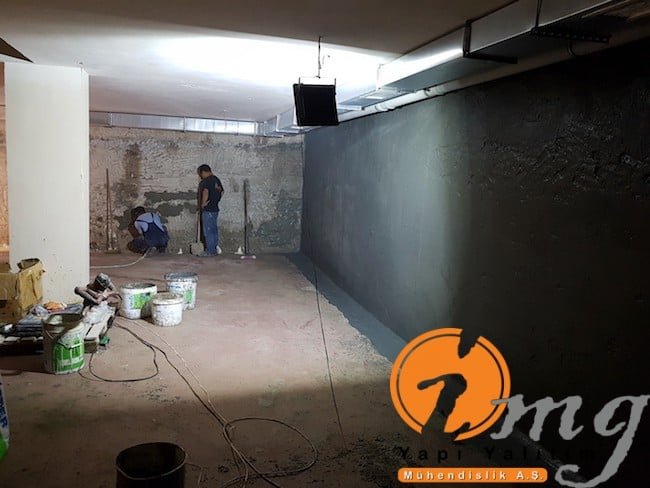
From our Maltepe office we provide terrace waterproofing to every district of Istanbul. On-site surveys and applications on both the European and Asian sides.
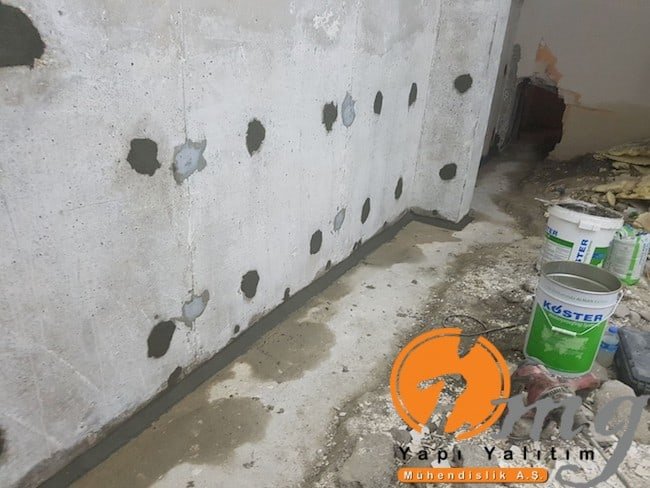
From our Konak office we provide terrace waterproofing to every district of Izmir. A wide service network across the Aegean region.
We have compiled the questions our clients ask most often, together with our technical answers.
A permanent solution to leaks at concealed box gutters and roof junctions using membrane and detail applications.
DetailsLiquid membrane waterproofing for bathrooms, WCs, kitchens and wet areas. Permanently prevent leakage into the floor below.
DetailsA permanent solution to leaks at expansion and movement joints using flexible membrane and profile systems.
DetailsFor the water problem on your flat roof, fill in the survey request form or give us a call. Our technical team will get back to you as soon as possible to arrange an on-site assessment and survey.