Cut off capillary damp in your walls permanently with a chemical DPC injection. Professional application with a 5-year warranty. An expert team with 15+ years of experience in Istanbul and Izmir.
Rising damp treatment is a no-dig application that cures the chronic damp caused by ground moisture travelling up the wall pores by capillary action, by installing a horizontal chemical damp proof course (DPC) at the base of the wall. Holes are drilled at set intervals along the wall base and a silicone-based injection (DampStop) is pumped into them under pressure. The material spreads through the pores, forms a water-repellent barrier and stops the capillary rise. Over time the wall dries out and the salt deposits disappear — with a 5-year written warranty.
Rising damp is a chronic damp problem caused by ground water being drawn upwards through the microscopic pores of a wall by capillary action. Porous building materials such as concrete, brick, breeze block and natural stone soak up ground moisture like a sponge and carry it up the wall. The damp generally rises to a height of between 50 cm and 150 cm above ground level, but depending on the porosity of the wall material and the groundwater level it can exceed 2 metres.
With more than 15 years of site experience and its own Dryvatec chemical injection materials, İMG Yapı Yalıtım Mühendislik A.Ş. is one of Türkiye's leading applicators delivering permanent solutions to rising damp.
At the root of rising damp lie the porous structure of building materials and the capillary pressure of moisture in the ground. The soil constantly carries a certain level of moisture, and despite gravity this moisture travels upwards through the fine pores of the wall thanks to capillary forces. This physical phenomenon is called capillarity. Just as a paper towel dipped into water draws the water upwards, brick and concrete soak up ground moisture and carry it up the wall.
In modern buildings, the horizontal damp proof course (DPC) installed between the ground and the wall prevents this problem. In older buildings, however, this barrier layer may never have been installed, or it may have deteriorated, cracked or lost its continuity over time. In some buildings, changes to ground levels, landscaping works or drainage problems have rendered the existing damp-proofing ineffective. In Türkiye, the great majority of buildings constructed before 1980 have no horizontal damp proof course at all.
The most insidious aspect of rising damp is how slowly it progresses. Years can pass before the first signs are noticed. During this time the moisture dissolves the salts within the wall and carries them to the surface. Salt crystallisation blows the plaster and paint, and reduces the strength of the material. The permanently damp environment provides a breeding ground for mould and fungus. Structurally, corrosion of the steel reinforcement accelerates, the binding capacity of the mortar weakens and the load-bearing capacity of the wall declines.
According to research, in buildings exposed to rising damp, energy loss increases by 25-35%, indoor air quality declines sharply and respiratory complaints linked to mould spores rise by 40%. These figures show that rising damp is not merely a cosmetic issue but a serious problem for health and energy efficiency as well.
Ground moisture drawn up through the wall pores by capillary forces — permanently damp surfaces and tide marks on ground floors
Dissolved salts carried by the moisture crystallising on the surface, white powder-like deposits, blown plaster and paint
Mould and fungal spores thriving in the chronically damp environment, asthma and allergy triggers, respiratory infections
Higher thermal conductivity of damp walls, a 25-35% increase in heating and cooling costs, poor energy efficiency
If you have noticed one or more of the signs below, your building has a rising damp problem. Early intervention minimises both the damage and the cost.
A wet band starting at the base of the wall and rising to a certain height, forming a distinct tide mark. This line is the most characteristic sign of rising damp and typically reaches a height of 50-150 cm.
White, powder-like or crystalline salt deposits forming on the wall surface. The moisture carries the soluble salts within concrete and brick to the surface, and as it evaporates the salts crystallise and accumulate.
Paint on the wall surface blistering under the pressure of the moisture, cracking and flaking off. Freshly painted walls showing the same problem again within a short time is a sure sign of rising damp.
Black, green or grey mould and fungal staining at the base of walls, in corners and behind skirting boards. It poses a serious health risk, particularly dangerous for children and the elderly.
Moisture and salt crystallisation eroding the plaster from within — the plaster blisters, cracks and falls away in patches. This sign points to advanced rising damp.
The characteristic smell of mould and damp noticed on entering the room. A chronic odour that ventilation cannot shift is a herald of rising damp. The relative humidity of the room stays permanently high.
There are two different approaches to treating rising damp. A comparison of the modern chemical DPC injection with traditional methods is set out below.
At İMG Yapı Yalıtım Mühendislik A.Ş. we apply chemical DPC injection as the primary treatment for rising damp. During the on-site survey we determine the injection programme best suited to the condition of your building, the wall type and the moisture load, and deliver a solution backed by a 5-year warranty.
The systematic application process we have developed over more than 15 years of site experience, in line with the WTA guidelines and the EN 14066 standard.
Our expert team inspects the building thoroughly, identifying the height of the damp, its distribution and the source of the capillary moisture with professional moisture measurement instruments (capacitive, microwave and carbide methods). Depth moisture is measured within the wall cross-section to establish conclusively whether the damp is surface condensation or capillary rising damp. Other moisture sources such as plumbing leaks, rainwater ingress and condensation are ruled out. An accurate diagnosis is the foundation of a permanent cure.
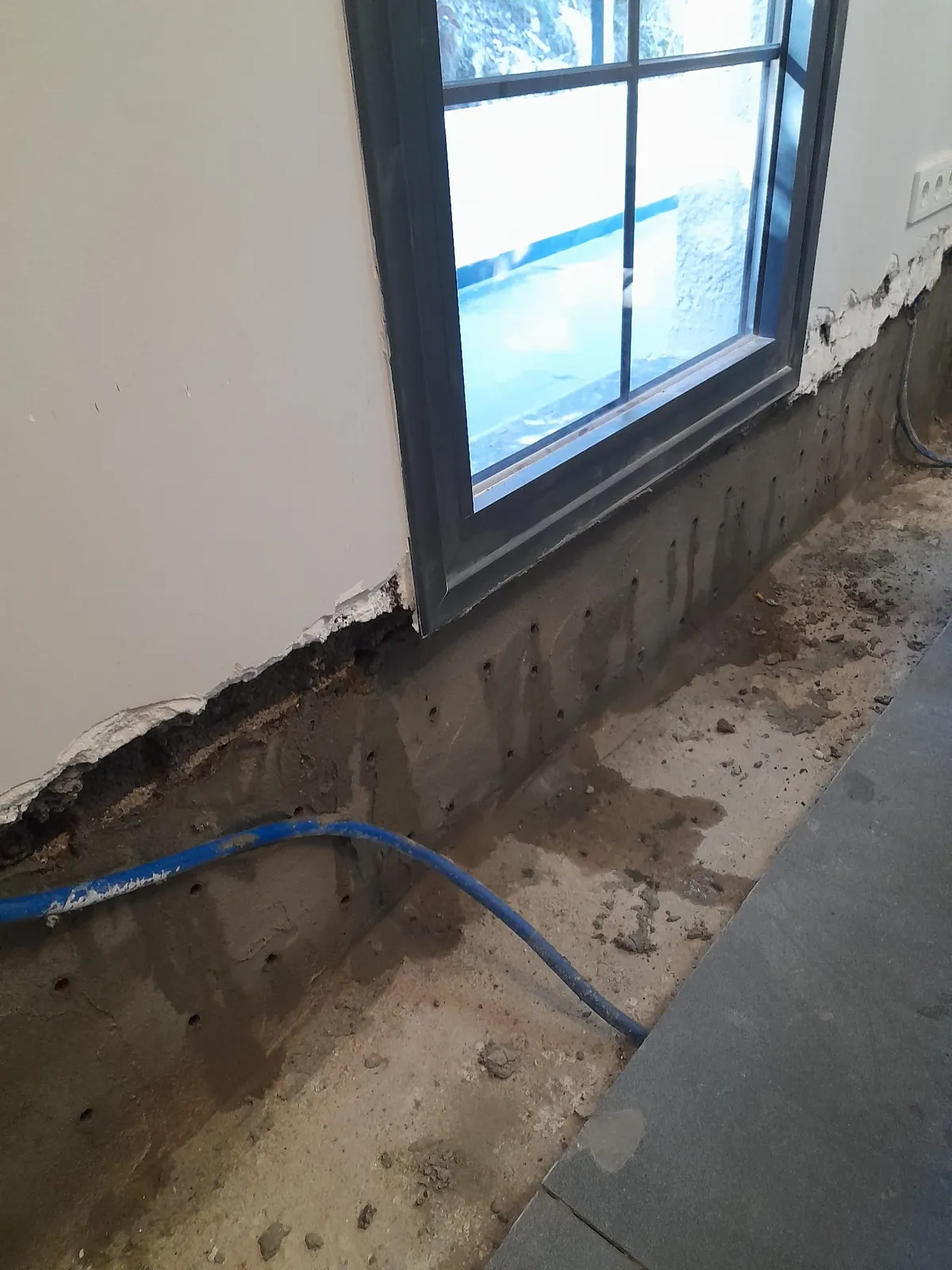
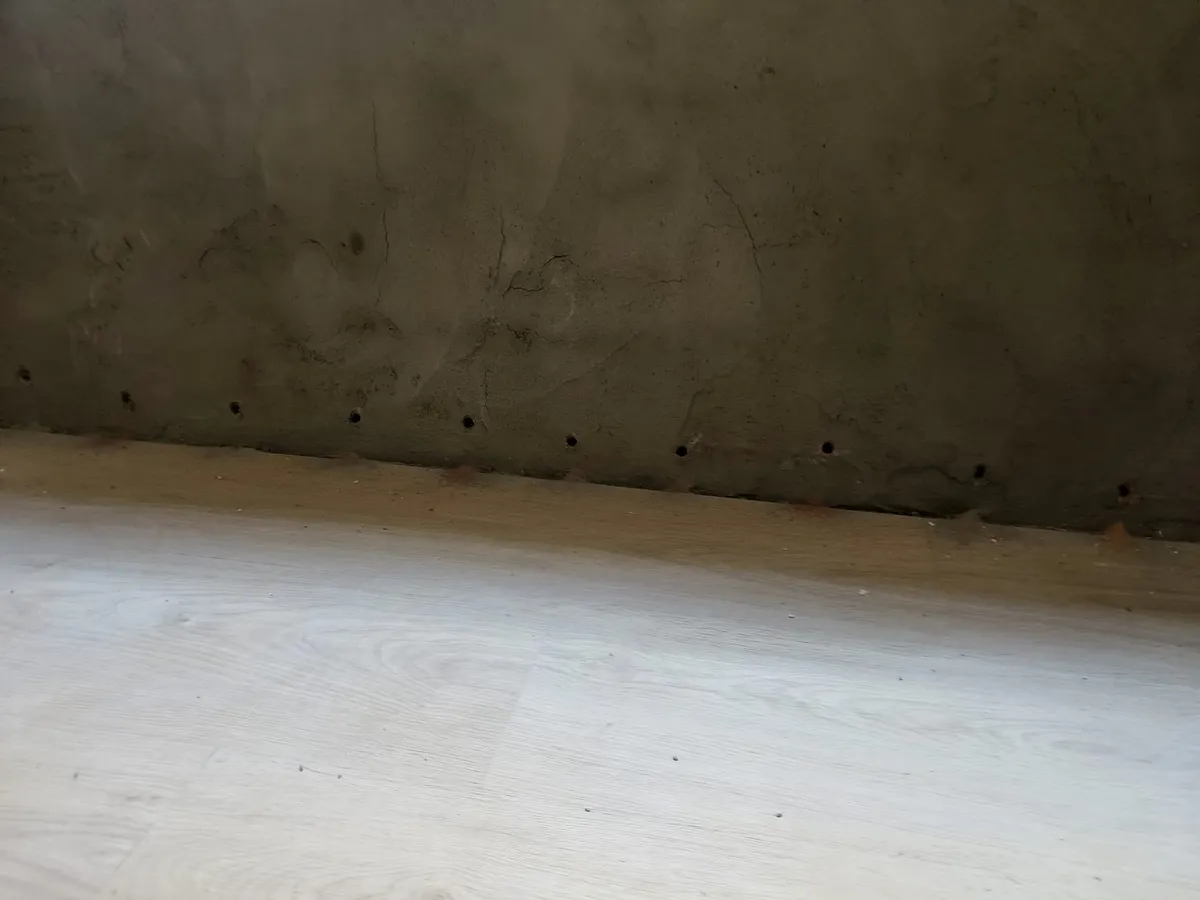
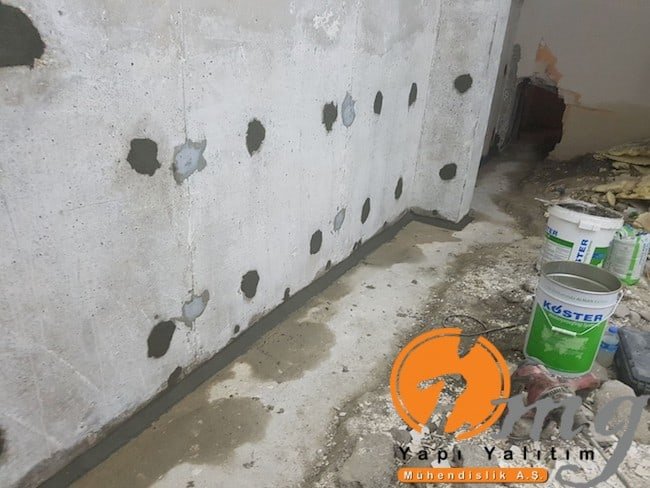
Holes are drilled from the internal or external face of the wall, just above ground level (typically 10-15 cm), to a depth of roughly 2/3 of the wall thickness, at 10-15 cm intervals and angled slightly downwards (10-30 degrees). The hole diameter is 12-14 mm, optimised for the wall type (brick, concrete, stone). The number of holes and the drilling layout are calculated from the total length and thickness of the wall.
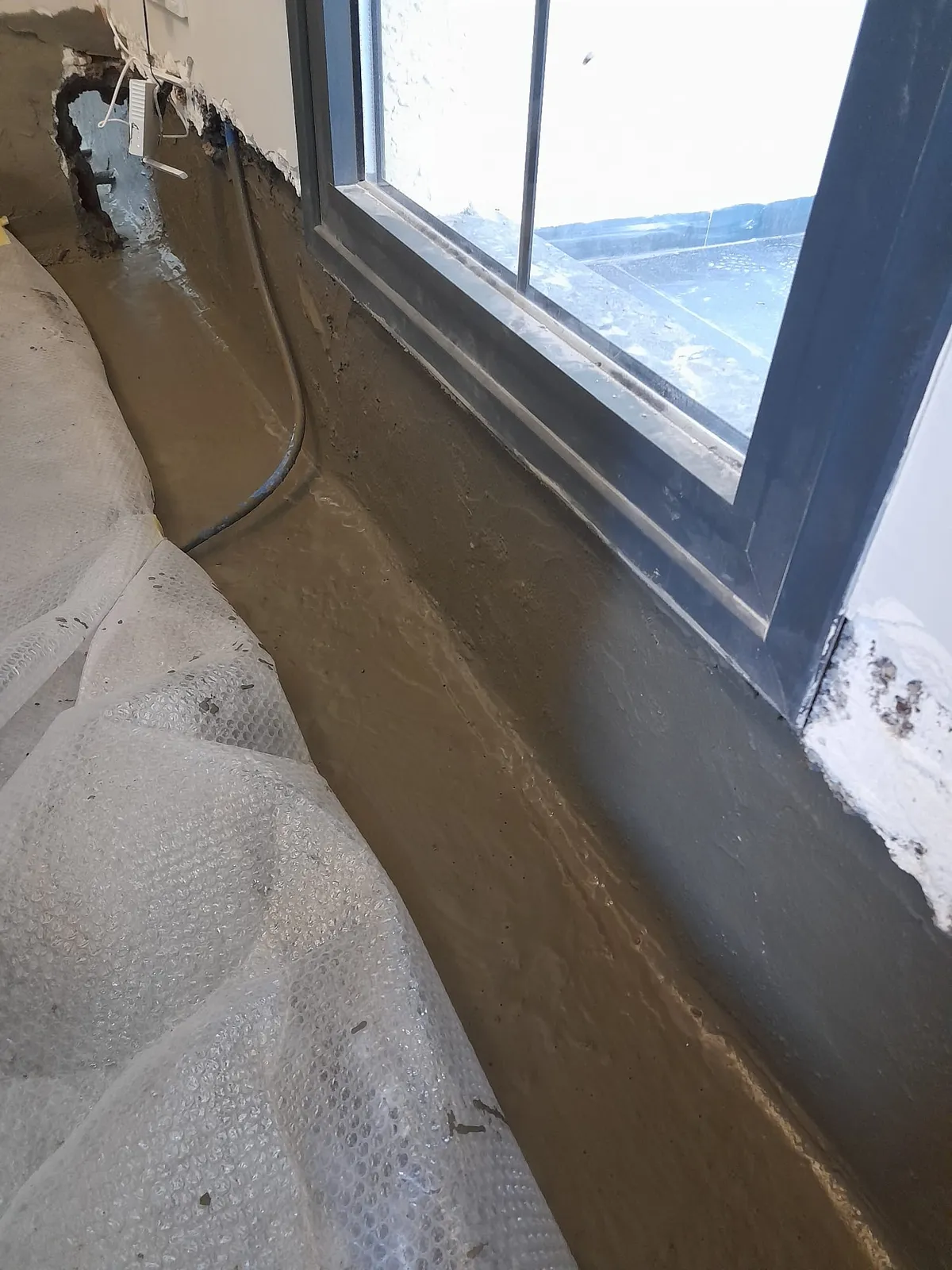
Dryvatec silicone-based chemical injection material is injected into the drilled holes using a pressure pump or, for creams, by gravity feed. The silicone emulsion penetrates the pores within the wall fabric and lines each pore surface with a hydrophobic (water-repellent) coating. The material can be applied to all porous building materials — concrete, brick, breeze block and natural stone.
The injected silicone material spreads out around the holes and forms a continuous horizontal chemical barrier within the wall cross-section. This barrier renders the internal surfaces of the capillary channels hydrophobic, changing the surface tension of the water and stopping the capillary rise. The barrier does not physically block the pores: the wall keeps its water vapour permeability (its ability to breathe) — only the capillary movement of liquid water is prevented.
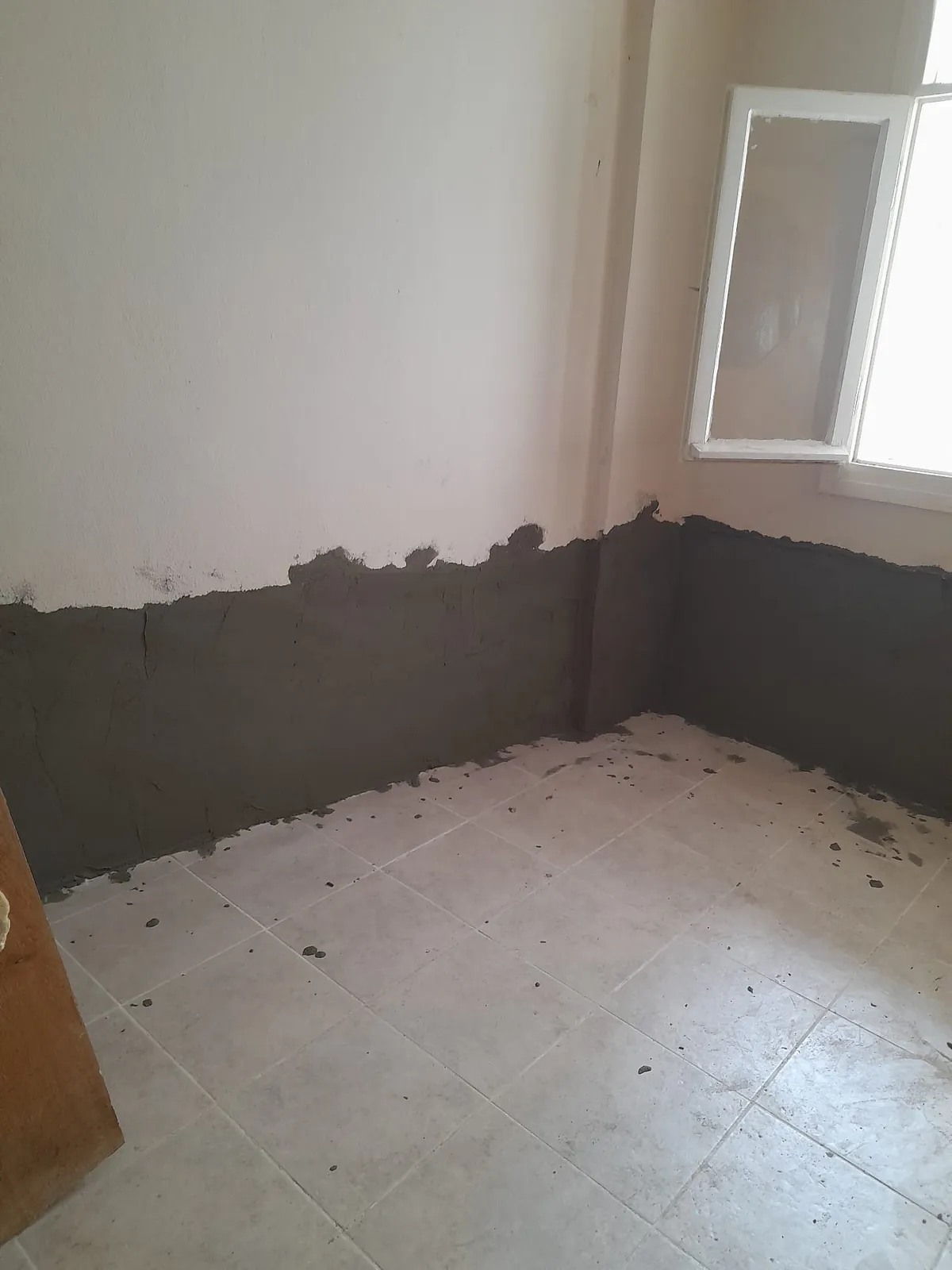
The injection holes are filled with a suitable mortar. Damp-damaged, salt-laden and blistered plaster layers are stripped completely and the surface is cleaned. Once the wall has dried out under the effect of the chemical barrier, a salt-inhibiting primer is applied and the surface is renewed with a breathable (water-vapour-permeable) repair plaster. A renovation plaster is recommended in place of standard plaster; its highly porous structure absorbs the residual salts.
After quality control and the control moisture measurements are complete, the space is handed back and a written warranty certificate valid for 5 years is issued. The warranty covers any recurrence of damp caused by the injected DPC. Should any issue be reported during the warranty period, our team attends the site as soon as possible and intervenes at no charge. Photographs of the treated area and the moisture measurement data are archived.
For a chemical DPC injection to be long-lasting and successful, the following technical requirements must be met in full.
Real application stages from our rising damp treatment projects. Click the photographs to enlarge them.
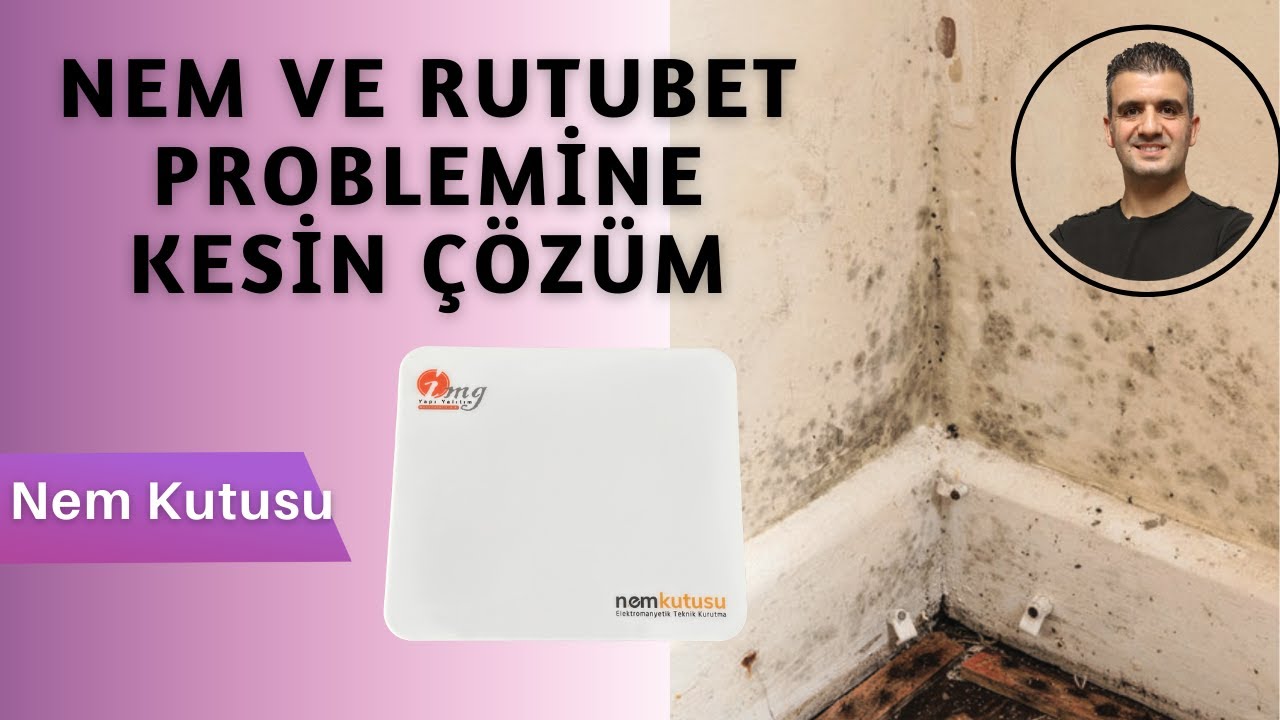
Once the chemical DPC injection has stopped the capillary rise, discharging the moisture still held within the wall takes time. The Nem Kutusu (moisture box) is a patented complementary product developed by İMG Yapı Yalıtım Mühendislik. It evaporates the moisture inside the wall in a controlled way, speeding up the drying process considerably.
The Nem Kutusu works embedded in the wall and expels the residual moisture from the wall fabric on the principle of active evaporation. Especially in thick walls, in poorly ventilated rooms and in historic buildings, it shortens the drying process dramatically. The highest efficiency is achieved when it is used together with the chemical barrier.
The Nem Kutusu is not a permanent cure for rising damp on its own. Even if a Nem Kutusu is used without the capillary rise being stopped, fresh moisture from the ground will keep penetrating the wall. For this reason the Nem Kutusu must always be used as a complement to the chemical DPC injection.
In our chemical DPC injection work against rising damp we use the silicone-based injection materials of our own brand, Dryvatec. Because we manufacture the material ourselves, quality control is in our hands from start to finish. We serve with a direct manufacturer's assurance, with no intermediary margin.
With its high penetration capability and long-lasting hydrophobic effect, the Dryvatec silicone injection material delivers excellent results in injected DPC applications. It preserves the breathability of the wall while effectively stopping capillary water movement. It is manufactured in accordance with the WTA guidelines and the EN 14066 standard.
A wrong diagnosis or a faulty application can mask the rising damp problem instead of curing it — and make it worse. Choosing the right company is critical.
We hand over a written warranty certificate valid for 5 years on all our rising damp treatments. Under the warranty, every recurrence of damp is resolved at no charge. Our application archives are kept on record.
We manufacture the silicone injection materials we use ourselves. No intermediary margin — quality control is entirely in our hands. A direct manufacturer's assurance.
We pinpoint the moisture source conclusively using capacitive, microwave and carbide methods. A wrong diagnosis means a wrong treatment. We find the source first — then we cure it.
We have completed thousands of rising damp projects since 2009. We have delivered solutions in every wall type, every climate and buildings of every age.
Rapid response to every district from our Maltepe (Istanbul) and Konak (Izmir) offices. Local teams and material depots in two major cities.
With our patented Nem Kutusu product we speed up wall drying after the chemical barrier. Our integrated approach makes the result both faster and more permanent.
From our two offices we provide rising damp treatment services to every district of Istanbul and Izmir.
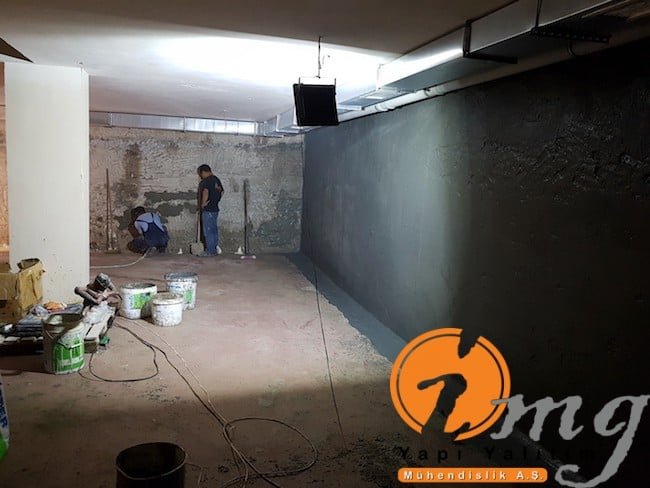
From our Maltepe office we provide rising damp treatment services to every district of Istanbul. On-site surveys and applications on both the European and the Asian side.
From our Konak office we provide rising damp treatment services to every district of Izmir. A wide service network across the Aegean Region.
Rising damp is not merely a cosmetic issue — it is a chronic problem carrying serious risks for structural safety and human health.
Rising damp chemically erodes the binding mortar within the wall (cement or lime). The sulphate and chloride salts travelling with the moisture crystallise within the mortar and generate expansion pressure. This pressure blows the plaster and the brick faces. In the long term the strength of the wall declines, reinforcement corrosion accelerates and the load-bearing capacity is reduced. In masonry buildings in particular, the weakening of the binding mortar directly threatens the structural integrity.
The thermal conductivity of damp walls is far higher than that of dry walls. Research shows that every 1% increase in the moisture content of a wall raises its thermal conductivity by roughly 5%. This causes a significant increase in heating and cooling costs. Energy consumption in buildings exposed to rising damp has been found to rise by 25-35%.
Chronically damp environments create ideal conditions for mould and fungal growth. Mould spores become airborne, reach the respiratory tract and trigger or worsen conditions such as asthma, allergic rhinitis, bronchitis and sinusitis. According to World Health Organization (WHO) data, respiratory complaints are 40% more common among people living in damp, mouldy buildings. Children, the elderly and people with weakened immune systems are the groups most affected by these risks.
Rising damp also degrades indoor air quality, causes an unpleasant musty smell and seriously reduces overall living comfort. In homes with a damp problem the relative humidity stays permanently above 70%, and this environment accelerates the proliferation of many allergen sources, including house dust mites.
We have compiled the questions our customers ask most, together with our technical answers.
The patented complementary product that evaporates moisture within the wall in a controlled way. Used with the chemical barrier, it speeds up the drying process.
DetailsA permanent, 5-year-warranted solution to basement water ingress with no-dig negative-side crystalline tanking and injection.
DetailsA permanent cure for the damp problem at the root of mould and fungal growth. Healthy, damp-free living spaces.
DetailsFor the rising damp problem in your walls, fill in the survey request form or give us a call. Our technical team will get back to you as soon as possible for an on-site moisture survey.