
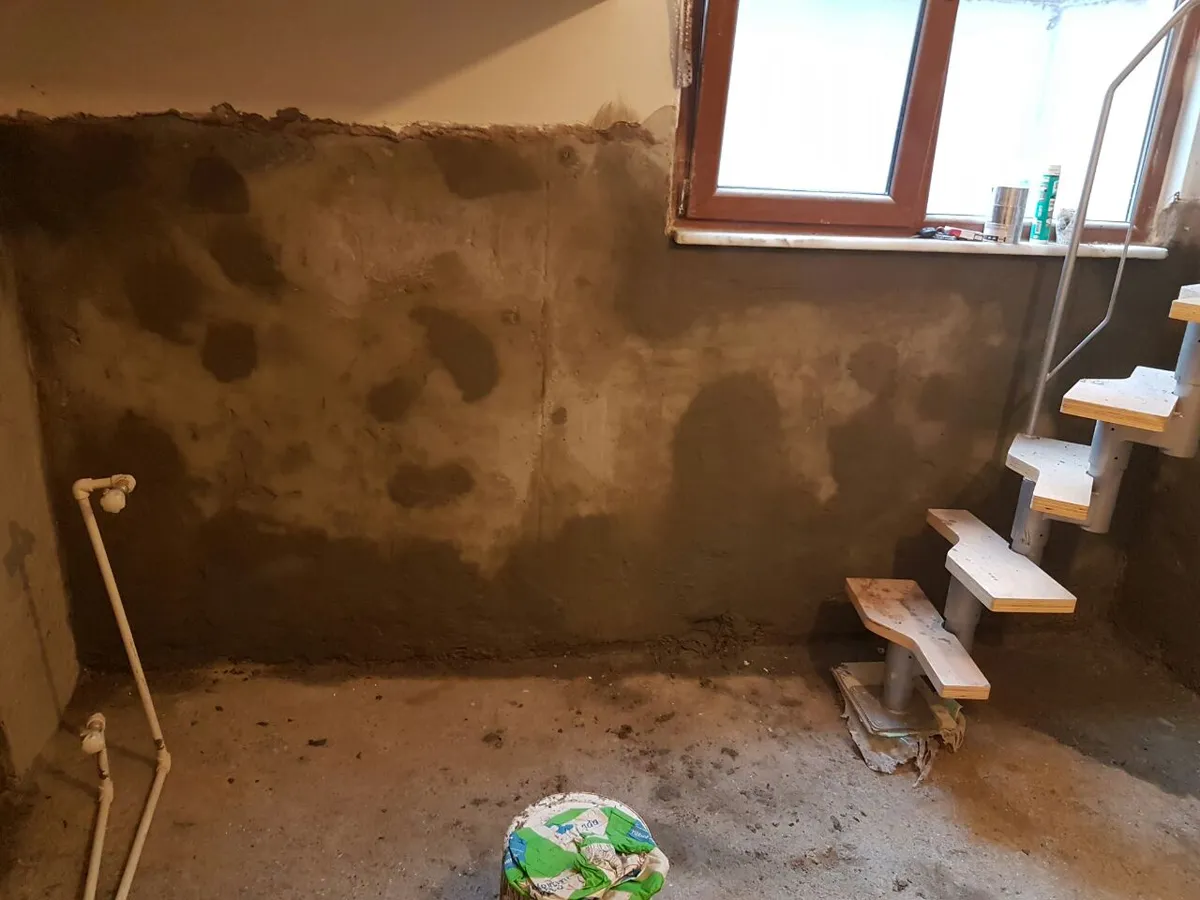
Foundation waterproofing is a critical factor in the long life of a building. When the foundations are not protected against water and damp, serious structural problems can develop. In this article we look at the methods and materials used in foundation waterproofing and why these applications matter.
Foundation waterproofing protects the foundation structure from the damaging effects of water and moisture. Water seeping into concrete and other building materials can, over time, cause cracking and structural deterioration — endangering the soundness of the structure and driving up repair costs. Using the right waterproofing materials and methods keeps water out of the foundations and so extends the life of the building.
Materials Used in Foundation Waterproofing
Bituminous Membranes
Bituminous membranes are one of the most frequently used materials in foundation waterproofing. Usually supplied in rolls, they are laid onto the surface of the foundation. Bituminous membranes form an effective barrier against water and are long-lasting.
PVC Membranes
PVC membranes are another material widely favoured for foundation waterproofing thanks to their flexibility. They are resistant to a range of chemicals and to UV radiation, providing long-term protection.
Polyurethane Coatings
Polyurethane (PU) coatings are an effective waterproofing option. Applied in liquid form, they cure on the surface to form a flexible waterproof layer. They are a particularly effective solution on complex surfaces and areas with many details.
Bentonite Clay
Bentonite clay is a natural material that swells on contact with water. This property allows it to seal the foundations effectively against water ingress. It remains durable below ground for a long time and is an environmentally friendly option.
Foundation Waterproofing Methods
External Waterproofing (Positive Side)
External waterproofing means applying the waterproofing materials to the outer face of the foundation. It stops water before it ever reaches the structure and is generally preferred in new-build projects. It can be carried out with bituminous or PVC membranes.
Internal Waterproofing (Negative Side)
Internal waterproofing is the method applied in existing buildings. The waterproofing materials are applied to the inner face of the foundation, usually as polyurethane coatings or crystalline coatings (cementitious tanking). In buildings with adjoining structures, where excavation is impossible, it is the only practical option. See negative-side basement waterproofing.
Application Steps
- Surface preparation: The foundation surface must be cleared of dirt, dust and other residues. The surface should be smooth and clean.
- Material selection: A waterproofing material suited to the needs of the structure must be chosen.
- Application: The chosen material must be applied to the surface in line with the manufacturer's instructions.
- Inspection: After application, the waterproofing must be checked to confirm it has been carried out correctly, with all necessary inspections completed.
Conclusion
Foundation waterproofing is critical to making buildings more durable and long-lasting. Waterproofing carried out with the right materials and methods keeps water away from the structure and preserves its structural integrity. Fill in the building information form to get support from our specialist team.