Waterproofing is critical to the durability of buildings and to protecting them from water-related damage. Choosing the right waterproofing material is the key to a long-lasting, safe structure. In this article we look at the types of waterproofing materials, the selection criteria and the application methods.
Waterproofing can be applied in many areas of a building, from the foundations to the roof. Without it, water leaks and damp problems can develop, leading to structural deterioration and costly repairs. Selecting the right waterproofing material — and applying it correctly — is therefore vital.
Why Is Waterproofing So Critical?
Protecting Structural Integrity
Waterproofing is fundamental to preserving a building's structural integrity. When water penetrates building materials, it leads over time to problems such as corrosion and decay. This weakens the building's durability and ultimately raises the risk of structural failure. Waterproofing keeps these risks to a minimum and secures the long-term durability of the structure.
Improving Energy Efficiency
Waterproofing does more than protect the structure — it also improves energy efficiency. Water leaks and damp can increase heat loss indoors, driving up heating and cooling costs. Proper waterproofing contributes to energy savings and helps create a more environmentally friendly building.
Creating Healthy Living Spaces
Waterproofing also matters for healthy living spaces. Damp, leaking areas encourage the growth of unhealthy micro-organisms such as mould and fungi, which can lead to health problems including respiratory complaints. Waterproofing prevents these issues and provides healthier, safer living spaces.
Types of Waterproofing Materials
Liquid Waterproofing
Liquid waterproofing is carried out by applying liquid-applied membranes to the surface. The method is ideal for roof and terrace waterproofing in particular. Thanks to its flexibility, a liquid-applied membrane accommodates building movement and prevents cracking. It can be applied by brush, roller or spray, which keeps the application simple and fast.
Clear Waterproofing Sealers
Preferred for façade and wall waterproofing, clear sealers provide effective protection without changing the appearance of the surface. They are UV-resistant and an excellent solution for historic buildings and structures where architectural aesthetics come first.
Waterproof Liquid Coatings
Waterproof liquid coatings are used in areas such as floor waterproofing and bathroom waterproofing. Their quick-drying nature shortens the application time and reduces labour costs. In wet rooms such as bathrooms they stop water seeping through, preventing mould and fungal growth.
Membrane Systems
Membrane waterproofing is generally counted among roof waterproofing materials. Bituminous, PVC or EPDM membranes can be selected to suit different applications. Membranes form a strong barrier against water and provide long-lasting protection — particularly effective in regions with heavy rainfall and across large surfaces.
Injection Systems
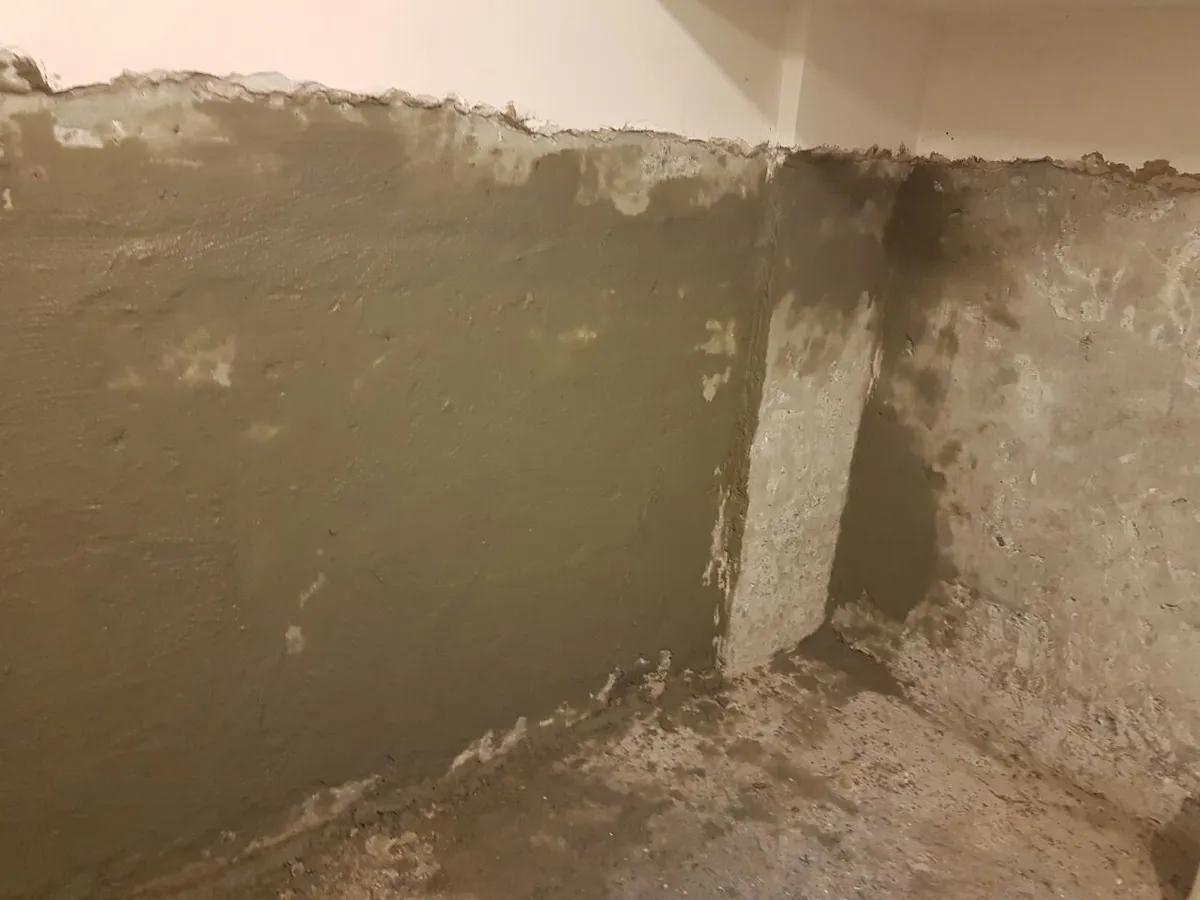
Injection is used in existing buildings with active water leaks. Waterproofing resin is injected into cracks or voids to block the passage of water. It is particularly suitable for basements and foundations. See our injection waterproofing service page.
What to Consider When Choosing a Waterproofing Material
Durability of the Material
The best waterproofing material is one that is long-lasting and durable. When selecting materials for roof waterproofing or swimming pool waterproofing, resistance to water and weathering is the primary criterion.
Chemical Resistance
Resistance to chemicals and cleaning agents matters, especially in industrial settings and in pool waterproofing. This property extends both the performance and the service life of the material.
Mechanical Strength and Substrate Compatibility
The mechanical strength of the material is critical, particularly for floor and wall waterproofing. Materials that bond well to different substrates deliver effective protection across a wide range of applications.
Total Cost of Ownership
Consider not just the initial price but the total cost of ownership (initial outlay + application time/labour + maintenance/repairs). High-quality materials provide long-lasting protection and reduce maintenance costs.
Conclusion
Waterproofing materials are indispensable to the safety and durability of buildings. With the right material and application method, water-related problems can be prevented and the life of the structure extended. The choice should match the building's needs and the environmental conditions.
Working with a specialist waterproofing team will get you the best results. Fill in the building information form and our team will get back to you as soon as possible.